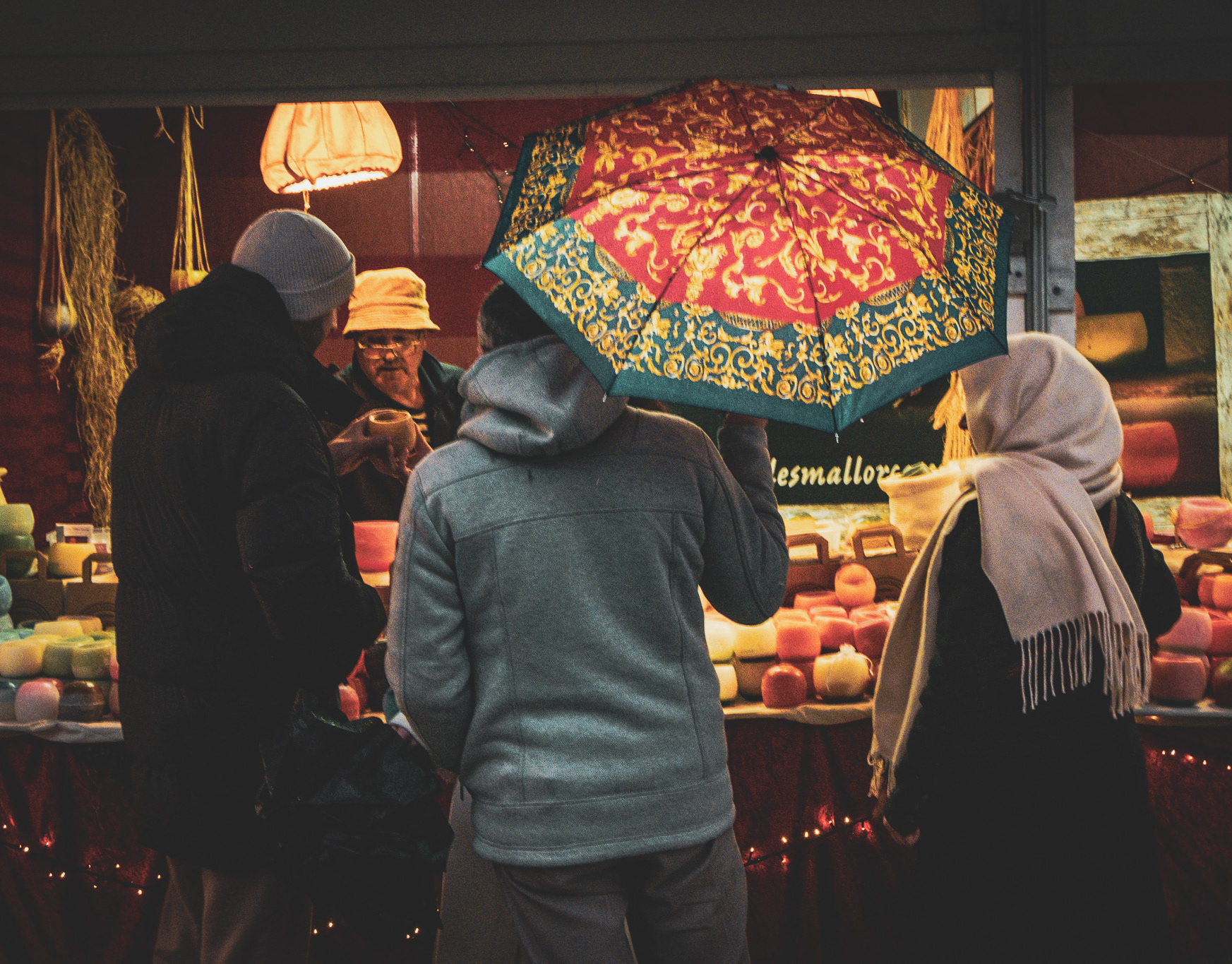
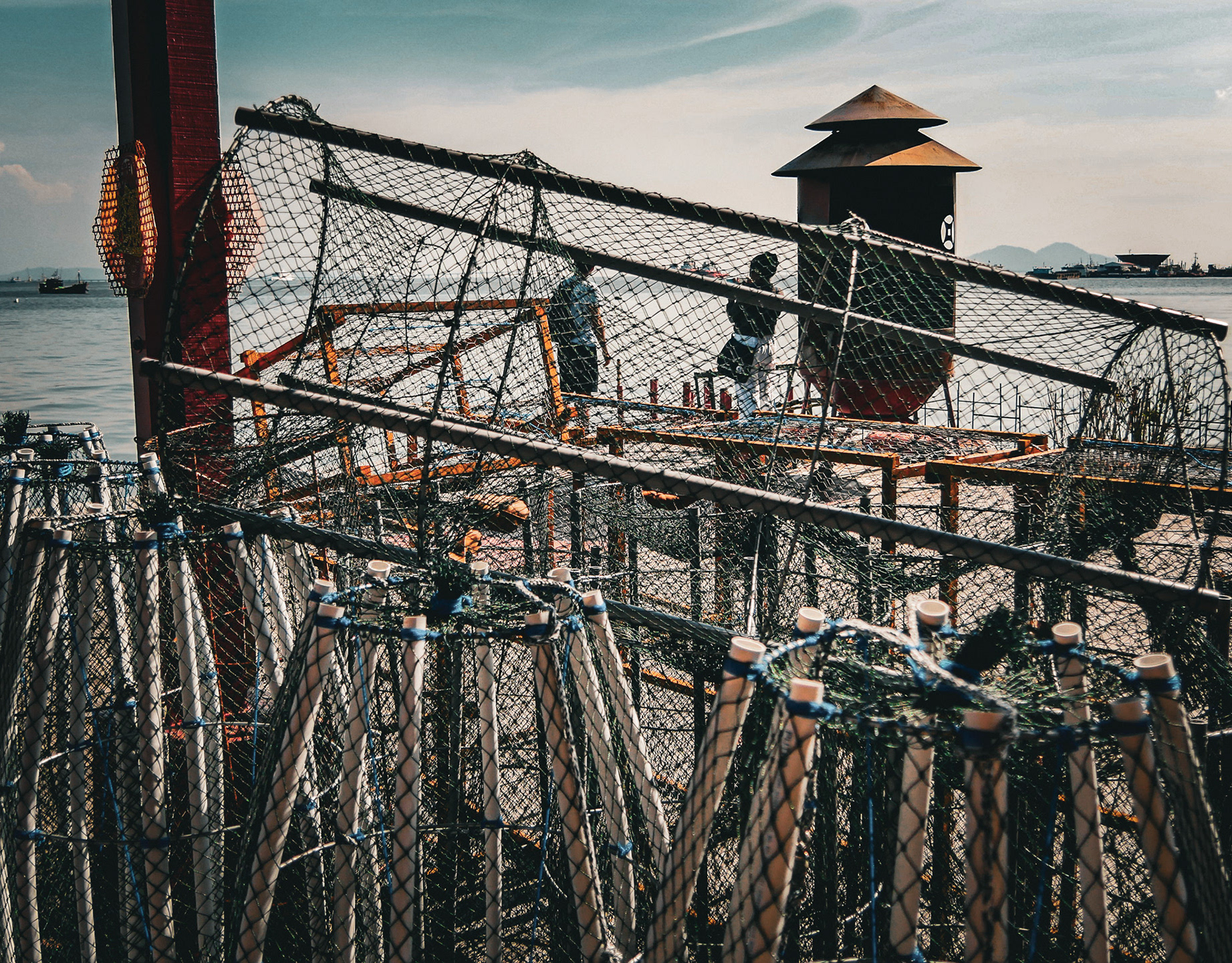
The city slows down unevenly.
Some people stop, others continue.
Some people stop, others continue.
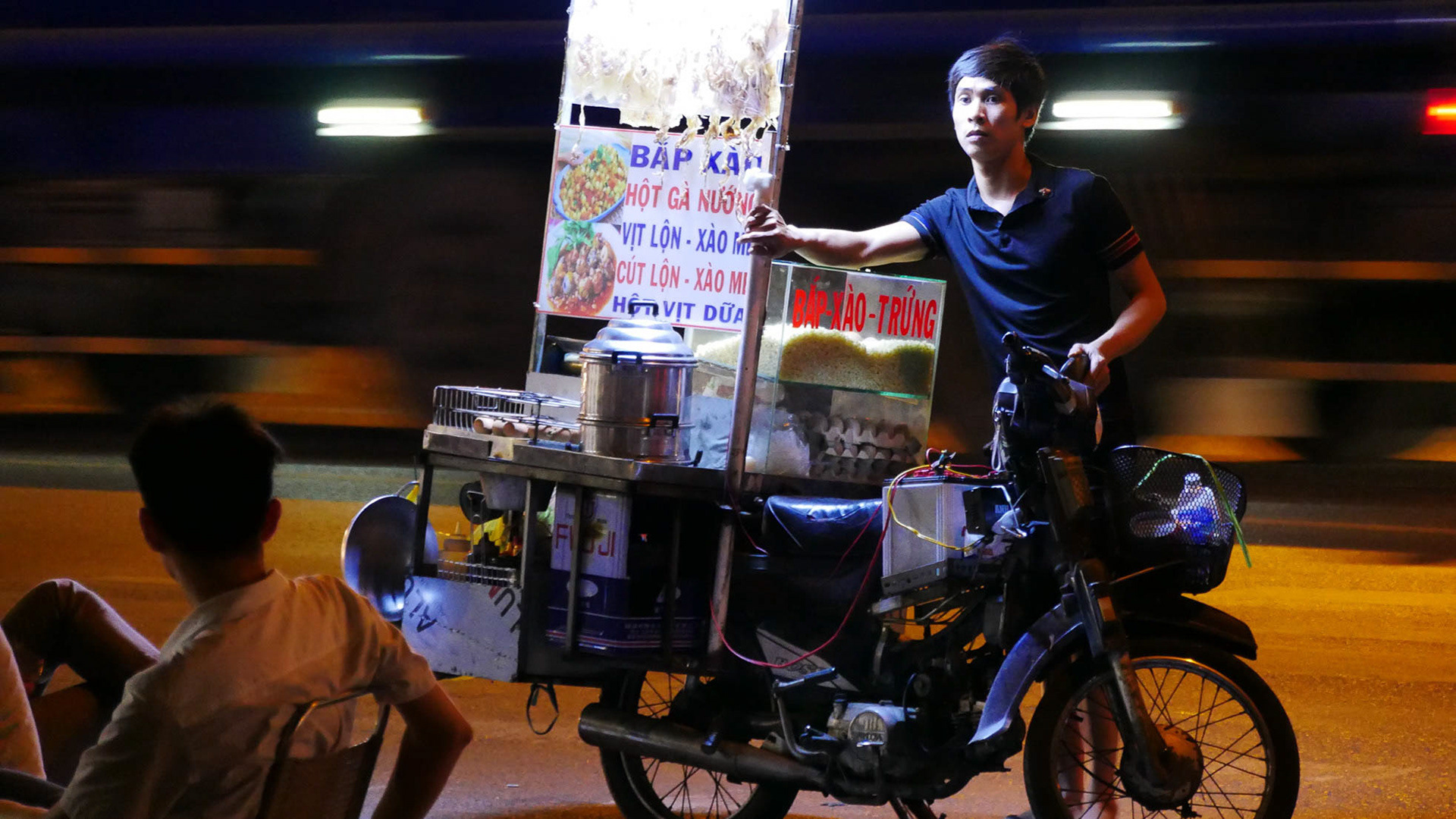
Bodies move at a different pace at night. Walking becomes deliberate. Sitting becomes necessary. Work and rest overlap without clear boundaries.
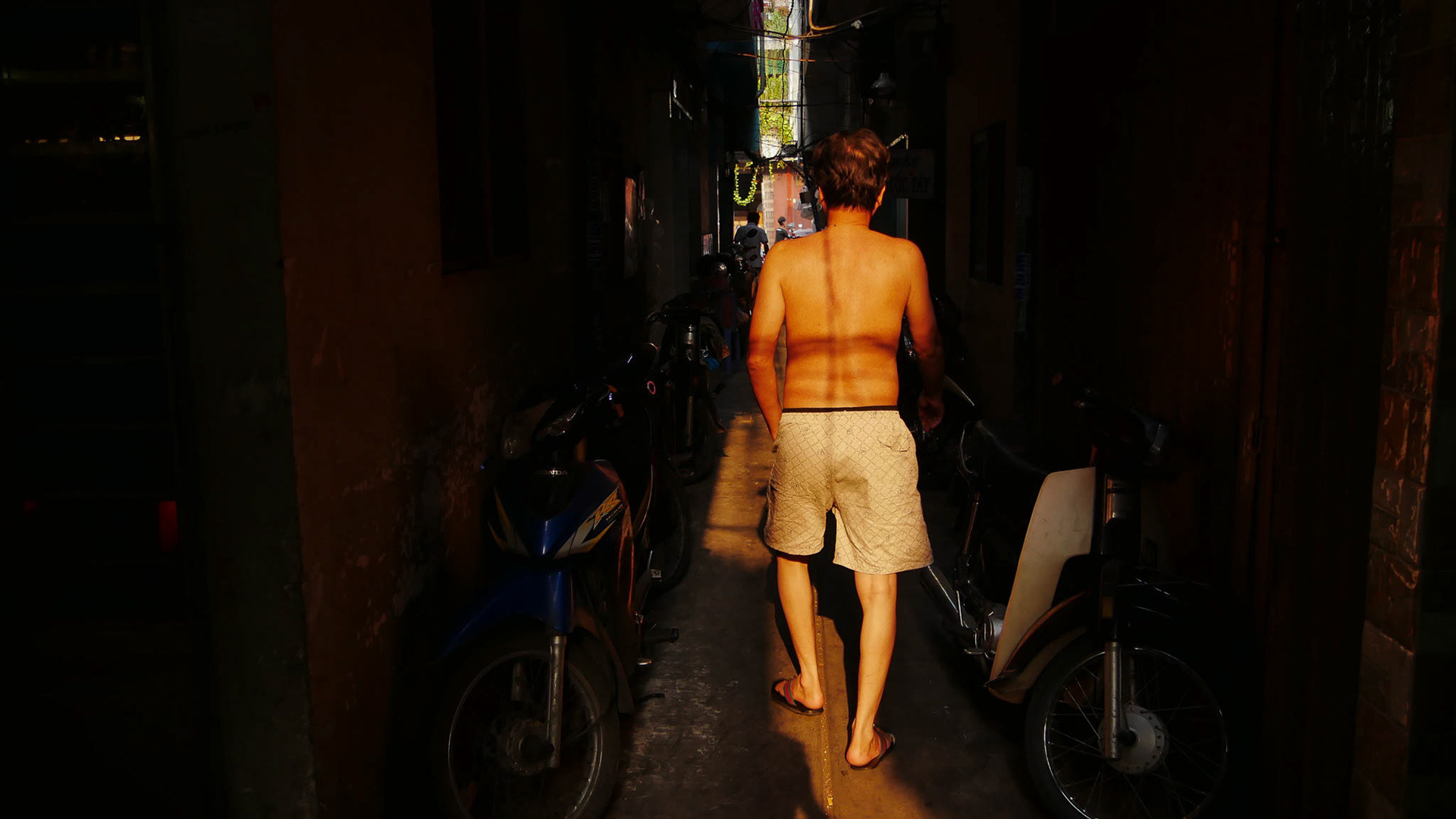
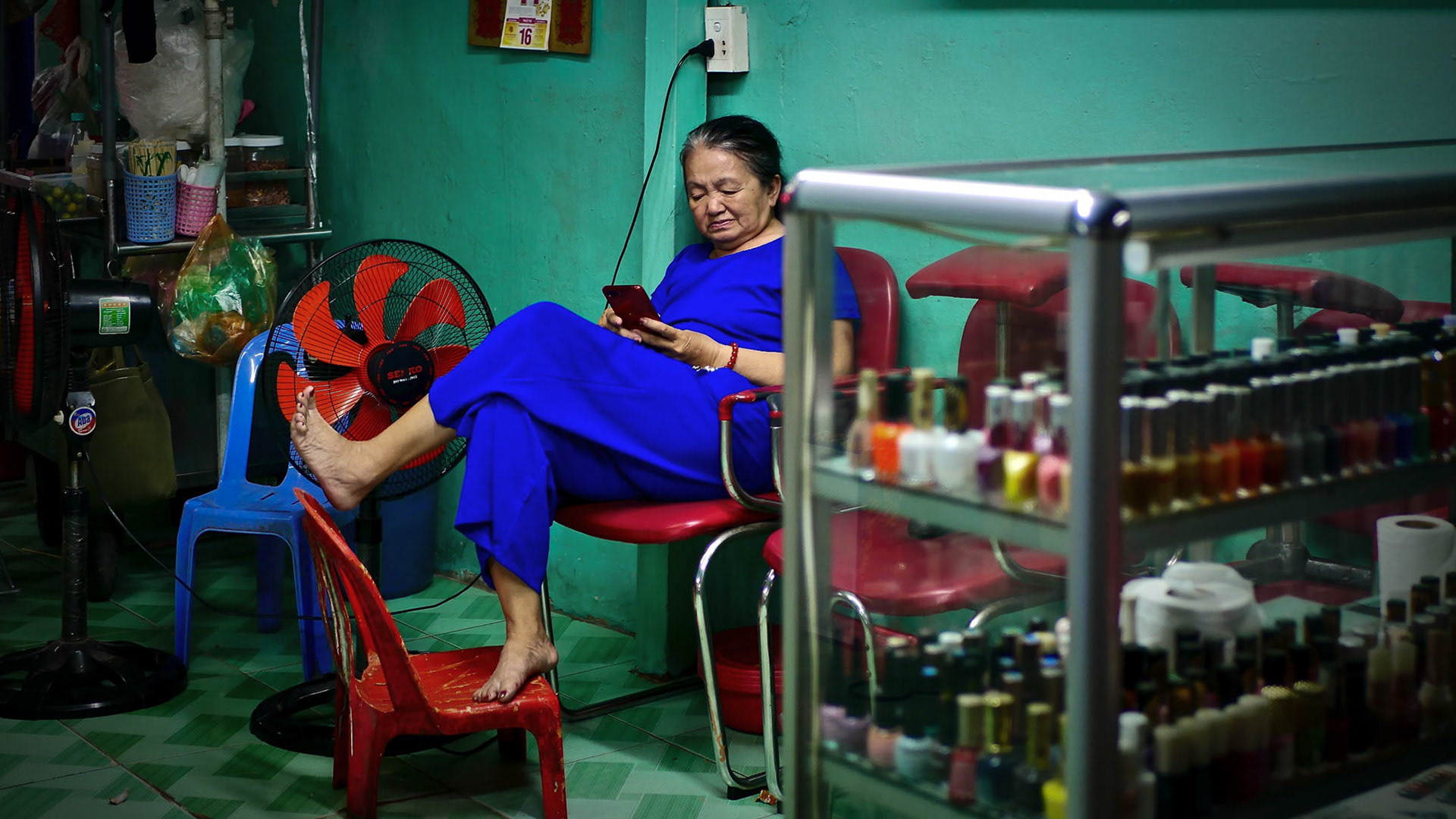
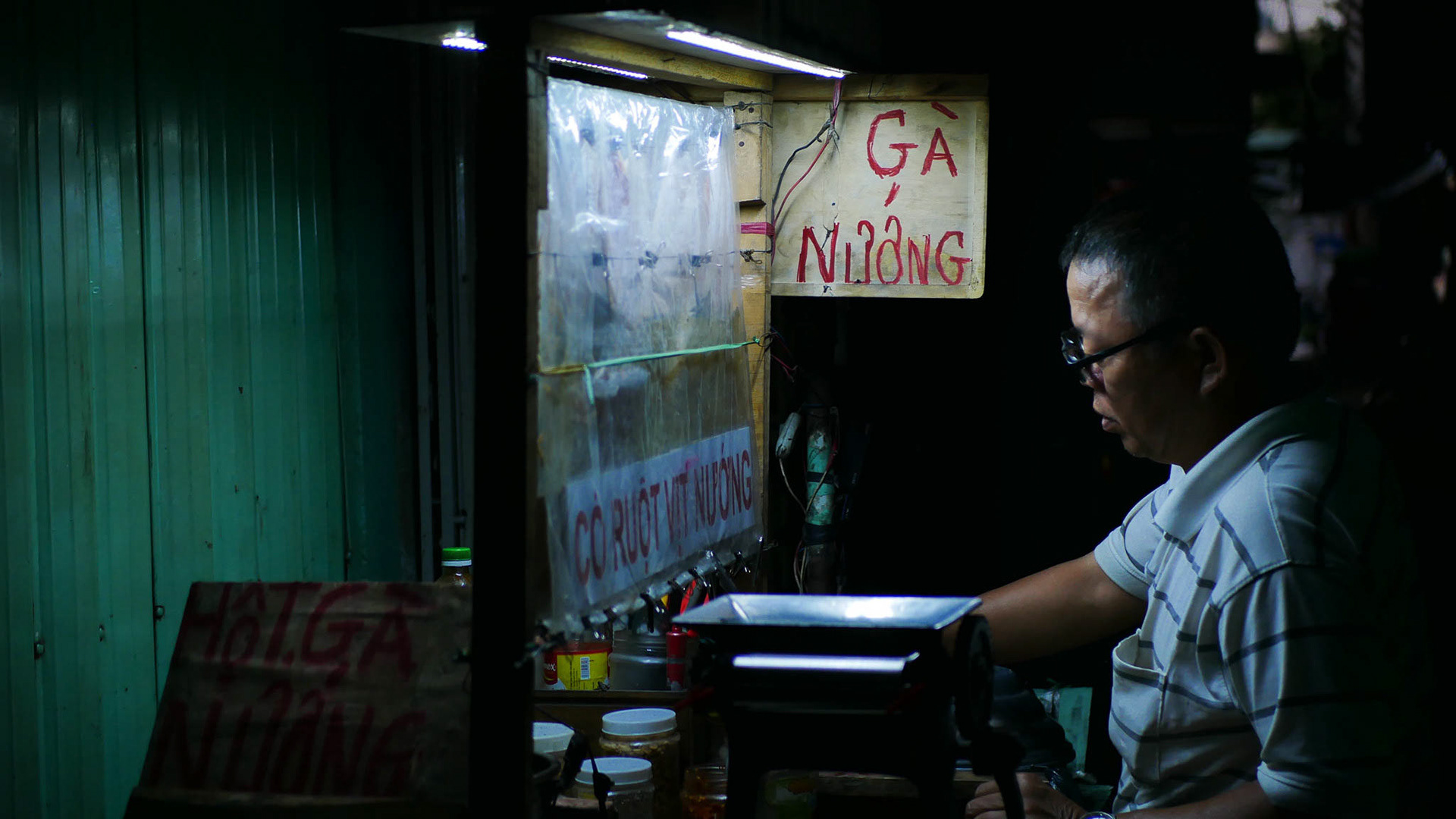
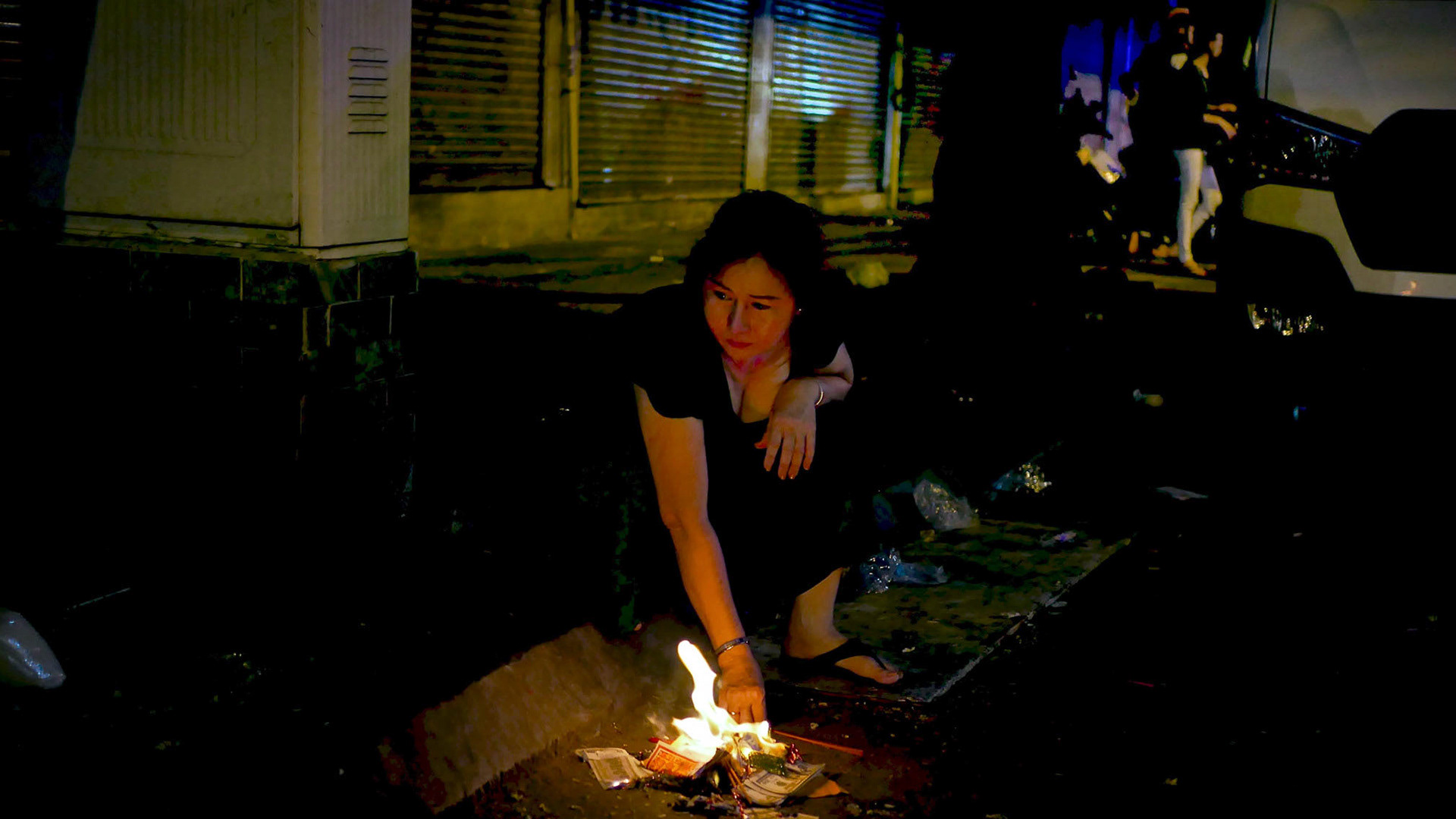
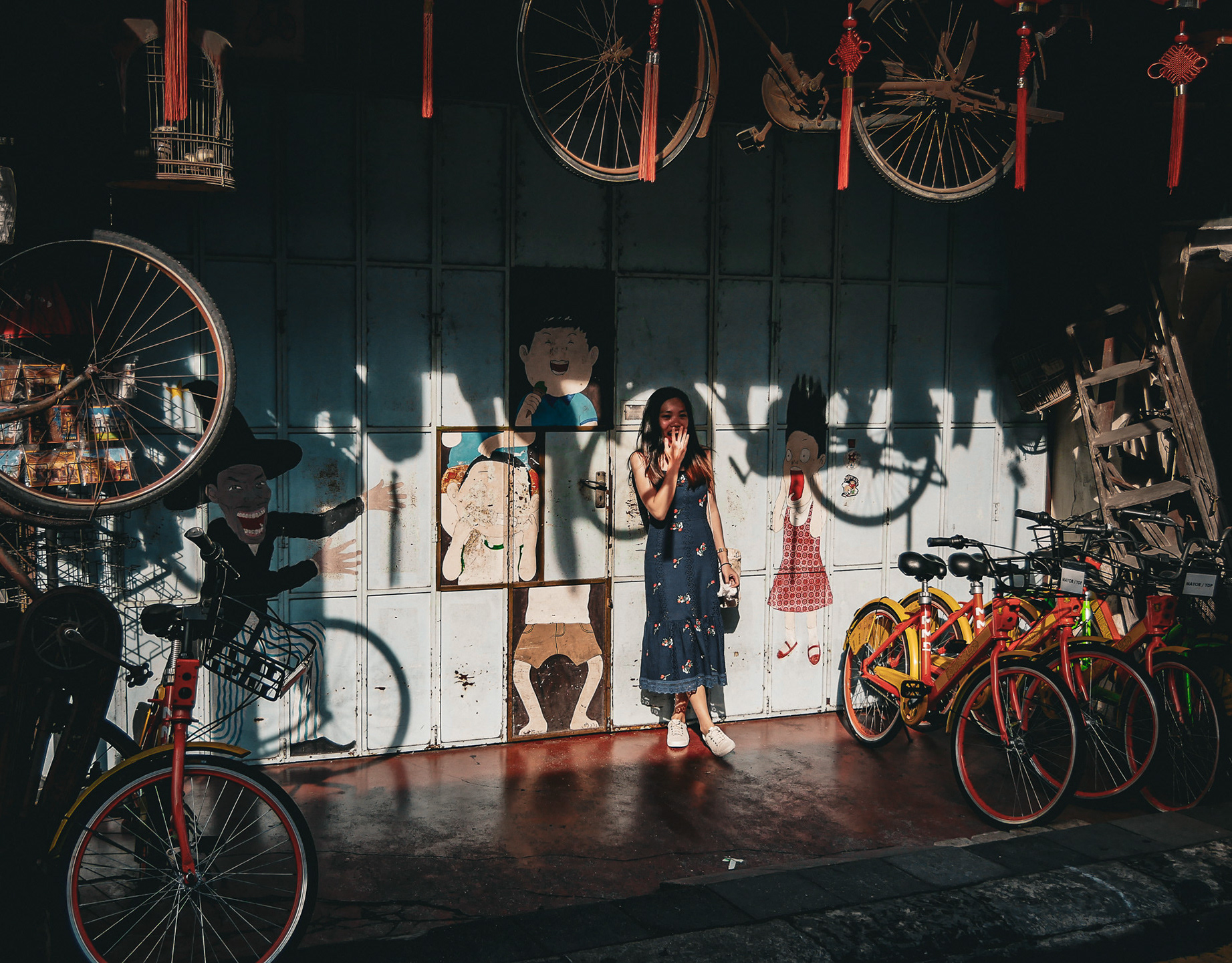
Light shapes the scene more than architecture. Shadows fall across skin and walls, briefly marking bodies before disappearing again. Colors remain sharp even in small, enclosed spaces, holding attention where the day has already let go.
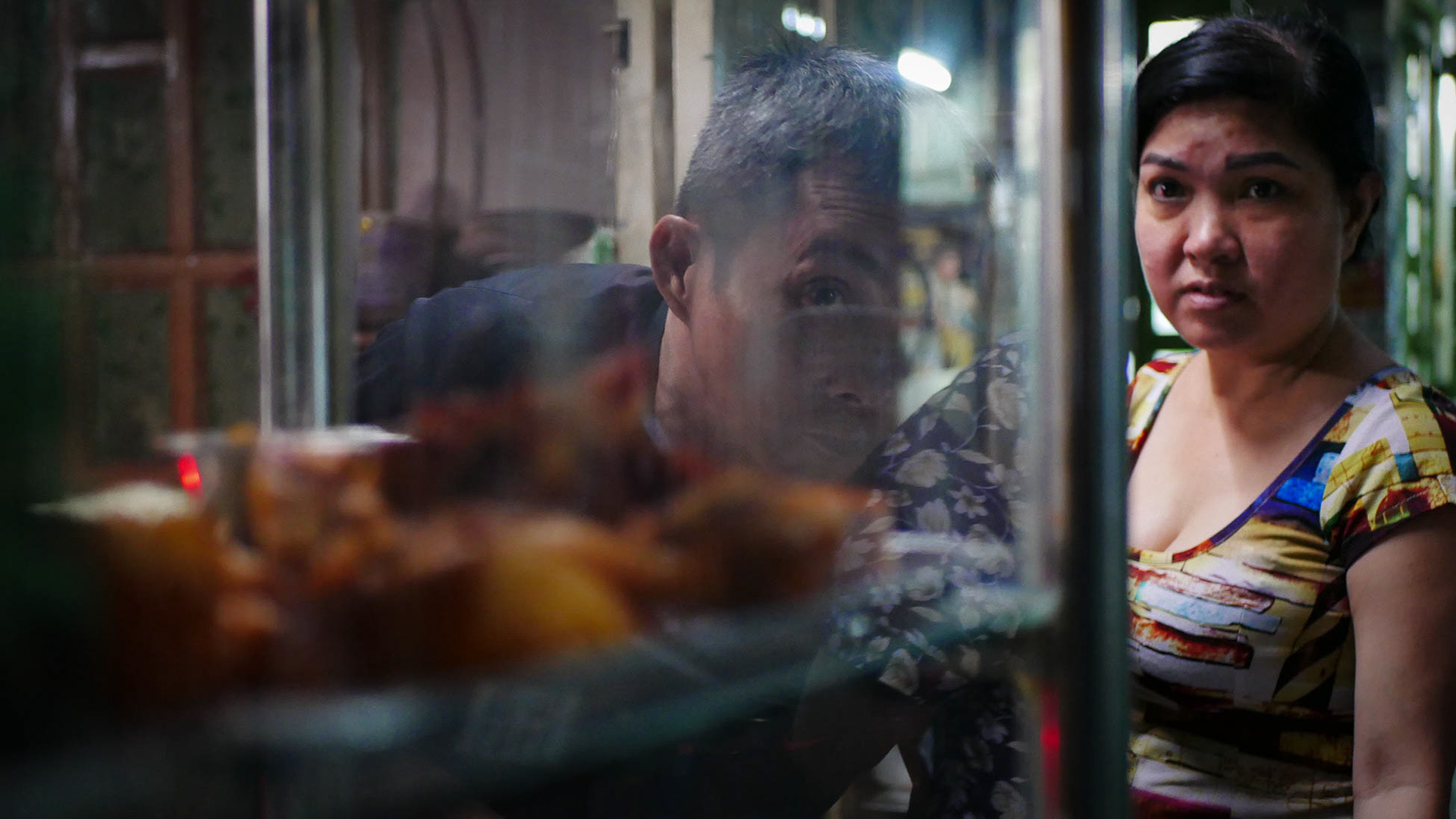
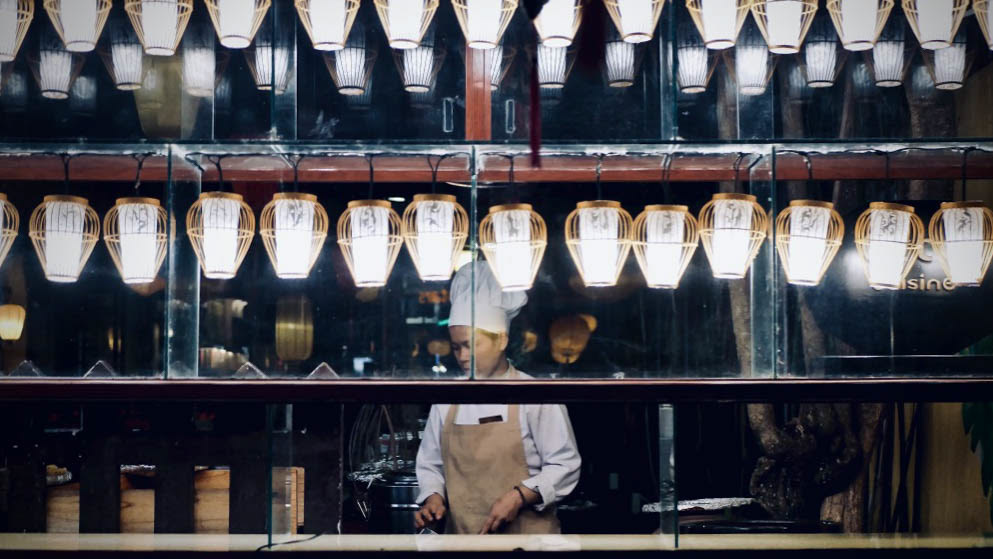
Behind glass, hands work in repetition. In front of it, faces remain visible, exposed. Sometimes a glance meets the camera, not as a challenge, but as acknowledgment. A brief recognition before returning to routine.
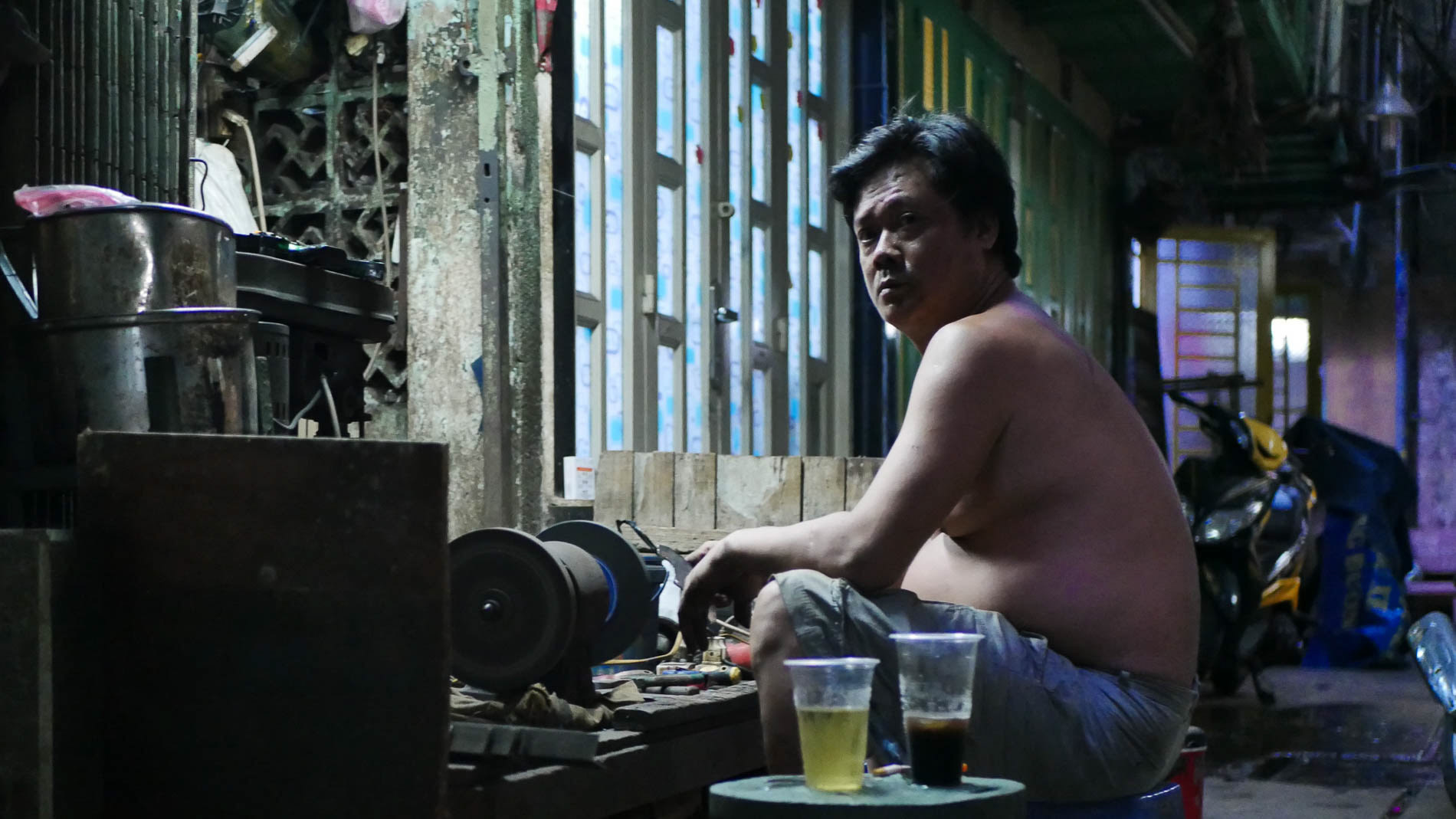
Some gestures belong to work, others to tradition. Actions repeated not for efficiency, but for continuity. The city carries these moments quietly, without emphasis.
What appears informal is often precise. What looks improvised follows rules learned over time. Nothing here asks to be explained. It simply continues.
At the edge of this sequence, a different space appears. A kitchen, controlled light, deliberate movements. Another kind of work, another rhythm. Still part of the same night.
These are not exceptions.
They are the city, after dark.
They are the city, after dark.